

How to Remove Tartar from Dentures Instantly
Keeping dentures clean is just as important as caring for natural teeth. Over time, plaque buildup can harden into tartar, which not only affects appearance but can also cause gum disease, bad breath, and irritation. Many denture wearers wonder if there is a way to remove tartar from dentures instantly without damaging the denture material. The good news is that there are effective cleaning methods you can use at home, but there are also times when professional cleaning is the safest choice.
In this guide, you will learn how to remove plaque from dentures instantly, what causes tartar buildup, and the best ways to prevent it from forming in the first place.
Understanding Tartar Buildup on Dentures
Tartar, also called calculus, is hardened dental plaque that forms when food particles and bacteria stay on the denture surface for too long. Even though dentures are not made of tooth enamel like natural teeth, the same process can happen. Plaque binds to the denture material, and if not removed promptly, it mineralizes into a hard, rough layer that is difficult to clean.
Tartar formation can cause: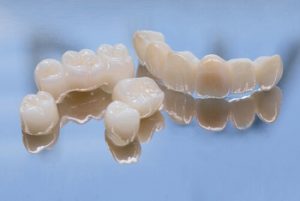
- Stubborn plaque deposits that dull the denture surface
- Gum inflammation and irritation
- Bad breath
- Increased risk of gum disease for denture wearers
- Damage to the fit and comfort of complete or partial dentures
Quick Methods to Remove Plaque and Tartar from Dentures
If you need to clean dentures instantly, focus on safe, non-abrasive methods that protect the denture material.
Soak Dentures in a Vinegar Solution
White vinegar is a popular home method for loosening tartar buildup. To try this:
- Mix equal parts warm water and white vinegar in a denture-safe container.
- Soak dentures for 15–20 minutes.
- Use a soft toothbrush or denture brush to gently scrub away loosened tartar.
Vinegar can dissolve tartar, but you should not soak dentures in vinegar overnight every day, as it may weaken certain denture materials over time. If you are unsure, ask your dental professional first.
Baking Soda for Gentle Cleaning
Baking soda is a non-abrasive cleaner that helps remove plaque without scratching the denture surface. To use:
- Make a paste with baking soda and a small amount of water.
- Apply to a soft-bristled toothbrush.
- Gently brush all denture surfaces, paying attention to areas with hardened tartar.
This method can help with daily denture cleaning and freshen dentures instantly.
Denture Cleansers for Instant Results
Commercial denture cleansers are formulated to dissolve plaque and kill bacteria. Many are available as tablets that you drop into warm water, creating a cleaning solution that works within minutes. Always follow the product’s instructions and avoid using hot or boiling water, which can warp dentures.
Professional Cleaning for Stubborn Tartar
If you have hardened tartar altogether that will not come off with at-home methods, a dental professional can help. Dentists use ultrasonic cleaners and special tools to remove plaque from dentures instantly without damaging the denture material. This is especially important if you have stubborn plaque or stains in hard-to-reach areas.
Scheduling regular dental checkups ensures that tartar buildup is addressed before it causes irritation or affects the fit of your dentures.
Common Mistakes to Avoid When Cleaning Dentures
Even with the best intentions, some cleaning habits can harm dentures. Here’s what to avoid:
- Using abrasive cleaning materials: Harsh brushes or gritty toothpaste can scratch the denture surface, making it easier for plaque to stick.
- Hot or boiling water: This can warp dentures and affect how they fit.
- Household cleaners: Bleach or harsh chemicals can weaken denture material and irritate your mouth.
- Skipping daily denture cleaning: This leads to stubborn plaque and tartar buildup over time.
Step-by-Step Guide for Daily Denture Cleaning
Keeping dentures clean daily is the best way to prevent tartar buildup in the first place.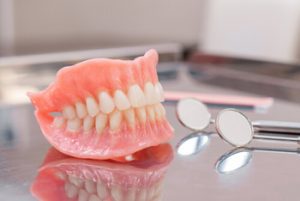
- Remove and rinse dentures after eating to wash away food particles.
- Brush dentures gently with a soft toothbrush or denture brush and a non-abrasive denture cleanser.
- Soak dentures overnight in a denture cleaning solution to keep them fresh and free from bacteria.
- Rinse thoroughly before wearing them again to remove any cleaning solution residue.
- Brush your gums and tongue with a soft toothbrush to maintain good oral health.
How to Prevent Plaque and Tartar on Dentures
While knowing how to remove tartar is important, prevention makes denture care much easier.
- Practice regular denture cleaning after meals and before bed.
- Avoid sticky or sugary foods that contribute to plaque buildup.
- Schedule regular dental checkups so a dental professional can inspect and clean your dentures.
- Ensure proper denture fit to prevent food particles from collecting under the denture surface.
- Keep gums healthy by gently brushing them daily.
The Oral Health Foundation recommends that denture wearers follow a consistent cleaning routine to maintain good oral health and prevent gum disease.
Can Vinegar Damage Dentures?
Many denture wearers wonder, will vinegar damage dentures? White vinegar is safe for occasional use, especially when diluted with water, but soaking dentures in vinegar for extended periods can weaken certain types of denture materials. If you have partial dentures with metal parts, vinegar may also cause corrosion over time. Always consult your dentist before using vinegar regularly for denture cleaning.
When to Seek Professional Help
Even with the best at-home denture maintenance, some situations require professional cleaning:
- Dentures have visible hardened tartar that does not come off with soaking or brushing
- You notice bad breath or gum irritation despite regular cleaning
- Dentures feel loose or uncomfortable
- There are signs of gum inflammation or oral sores
A dental professional can remove plaque from dentures instantly using specialized tools and recommend adjustments if needed. If you’re looking for expert care and guidance, a dentist in Mackay can ensure your dentures stay clean, comfortable, and properly fitted.
Final Thoughts on Keeping Dentures Tartar-Free
Knowing how to remove tartar from dentures instantly is useful for emergencies, but daily denture cleaning and regular dental visits are the real keys to keeping dentures clean and your gums healthy. Whether you prefer a baking soda paste, vinegar solution, or denture cleansers, always use methods that protect the denture surface and avoid harsh or abrasive cleaning materials.
Good denture care not only maintains your smile but also supports overall oral health. By preventing plaque buildup, you can avoid gum disease, bad breath, and irritation while enjoying a comfortable fit every day.
References:
https://www.mayoclinic.org/healthy-lifestyle/healthy-aging/expert-answers/denture-care/faq-20058375
https://my.clevelandclinic.org/health/articles/10901-denture-care
https://www.ada.org/resources/ada-library/oral-health-topics/dentures
https://www.healthline.com/health/denture-care

