

How to Fix a Broken Denture: What You Can Do and When to See a Pro
Broken dentures can cause more than just inconvenience. They can disrupt your ability to chew, affect your speech, and lower your confidence. If you’ve ever faced this problem, you’re probably wondering how to fix a broken denture quickly and safely. Whether you use full or partial dentures, knowing how to handle cracks, loose teeth, or a broken edge is important for your comfort and oral health.
In this blog, we’ll walk you through your options, from temporary at-home fixes to professional repairs, while keeping your smile functional and safe.
What Causes Dentures to Break?
Dentures, while durable, aren’t indestructible. Here are a few common reasons dentures break: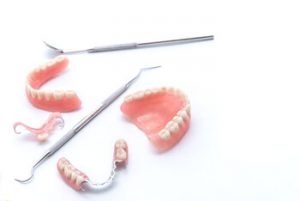
- Wear and tear: Even the best-made dentures wear down over time, especially with daily use.
- Accidental drops: Dentures can crack or fracture when dropped on a hard surface.
- Improper fit: Ill-fitting dentures can create pressure points that lead to breakage.
- Chewing hard foods: Biting into tough or sticky foods can stress the denture base or denture teeth.
- Age of the denture: Acrylic resin becomes more brittle with age, making fractures more likely.
The Most Common Types of Denture Damage
Denture damage comes in different forms, and identifying what’s broken is the first step toward getting it fixed.
1. Cracks or Fractures
These may appear as hairline cracks or completely split the denture into two. Fractured dentures need immediate attention to avoid sharp edges and improper bite alignment.
2. Broken or Missing Teeth
A broken tooth on a denture or one that has fallen off can cause speech and chewing problems. It may also put extra stress on nearby teeth.
3. Loose Denture Teeth
Loose teeth in a partial denture or full denture can fall out if not stabilized. This typically results from wear, adhesive failure, or trauma.
4. Warping or Misshapen Dentures
Dentures may lose shape due to heat exposure or soaking in boiling water. Warped dentures no longer fit properly and can irritate the gums.
Can You Repair Broken Dentures at Home?
If you’re wondering how to fix a broken denture at home, there are temporary options — but they come with clear limitations.
Use a Denture Repair Kit (With Caution)
A home denture repair kit can help with emergency repairs, such as bonding a cracked base or reattaching a broken tooth. These kits are widely available at pharmacies and usually include:
- Denture bonding materials
- An easy-to-use liquid adhesive
- Instructions for minor repairs
While convenient, these are only a temporary fix. Improper use can cause further damage or create fit issues, so follow instructions carefully.
What About Household Glue?
Avoid using household glues or superglue on broken dentures. These substances are not dental grade, may be toxic, and can damage the denture further. They may also cause gum inflammation and won’t allow the dentures to fit properly.
Temporary Solutions for Broken Dentures
If you can’t get to a dentist right away, try these steps for a temporary fix:
- Clean the denture thoroughly using a soft brush and warm water. Avoid toothpaste or abrasive cleaners.
- Dry completely before applying any bonding material.
- Use the denture repair kit to mend cracks or reattach a loose tooth. Apply as directed.
- Let the adhesive cure fully before wearing the denture again.
- Place the denture on a soft surface when not in use to avoid further damage.
These steps are not meant to replace professional care, but they can help you get through a day or two until your appointment.
Why Professional Repairs Are Still the Best Option
Although denture repair kits offer a quick fix, they are no substitute for professional repairs at a dental office or lab. A dental professional can:
- Mend cracks and fractures with acrylic resin
- Replace loose teeth or restore a missing tooth
- Ensure repaired dentures fit correctly
- Evaluate if a denture reline or full replacement is needed
- Prevent further damage with a permanent fix
A dental lab has the tools and materials to fix broken dentures safely and precisely, whether it’s full dentures, flexible dentures like Valplast, or partials.
What Happens During the Professional Denture Repair Process?
When you visit your dentist or prosthodontist, they’ll usually follow these steps:
- Assess the damage: They’ll check for fractures, missing teeth, or poor fit.
- Determine repair options: They’ll let you know if they can repair the denture or if a replacement is needed.
- Send it to a dental lab: Most serious repairs are done in a dental lab using heat-cured acrylic and professional bonding materials.
- Make adjustments: Once repaired, the denture will be adjusted to ensure comfort and proper function.
- Return the denture: In many cases, you’ll get your fixed denture back the same day or within 24–48 hours.
When Should You Replace Instead of Repair?
Sometimes, repaired dentures are no longer structurally sound or don’t fit well despite multiple fixes. You may need to replace your denture if: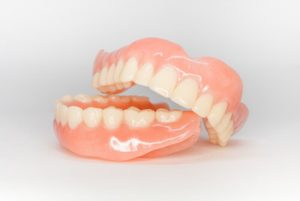
- Cracks keep recurring
- Teeth continue to fall out
- The base is warped or distorted
- You can no longer chew properly
- You’ve had the denture for 5–7 years or more
A new denture or upgraded option like implant-supported dentures may provide a better long-term solution and a more secure fit.
Tips to Prevent Dentures from Breaking Again
To keep your dentures in top shape, follow these daily care tips:
- Handle them over a soft towel or sink filled with water
- Store in cool water when not in use
- Avoid hot water and boiling to prevent warping
- Clean daily with a denture brush and non-abrasive cleaner
- Avoid hard or sticky foods
- See your dentist regularly for checkups and fit adjustments
Final Thoughts: Don’t Wait to Fix Broken Dentures
Broken or cracked dentures can interfere with your daily life and even cause discomfort or injury. While emergency repair kits can offer a temporary solution, a dental professional should always be your go-to for a permanent fix. Whether you have fractured dentures, a broken tooth, or loose teeth, getting them fixed the right way ensures your dentures work properly, last longer, and protect your oral health.
If you suspect damage to your dentures or need help choosing the right denture repair options, don’t hesitate to book a visit. Keeping your dentures in good condition helps maintain your confidence and your smile.
References:
https://www.dentureliving.com/en-us/advice-tips/living-with-dentures/cleaning-maintenance/repair-broken-dentures
https://www.colgate.com/en-us/oral-health/dentures/repair-poorly-fitting-damaged-or-broken-false-teeth

